| |
| Tuesday, 17 November 2026 |
| Three Wise Men: Gold, Frankincense and Myrrh… the Traditions of the Magi |
| Christopher Bradley |
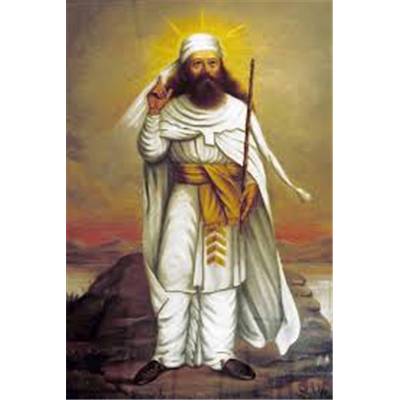 |
The term Magi refers to Zoroastrian priest-sages, anonymous wise men who were specialists in medicine, religion and astronomy and who travelled from the East. Tradition has placed the number of magi at three, relating to gold frankincense and myrrh, but is this correct? |
|
| Tuesday, 19 January 2027 |
| Noel Coward: The Man Behind the Mask |
| Simon Whitehouse |
 |
“I don’t know what it is but I’ve got it!” ‘It’ was star quality, and the person who had it was Noel Coward! On the surface Coward appeared to be just a camp man swanning about in a dressing gown, dropping acerbic one liners like ash from a long cigarette holder. But Coward was one of the most versatile cultural figures of the 20th century and his career is the history of 20th century British theatre. Coward said “I’ll go and see anything so long as it amuses me, or moves me. If it doesn’t do either I want to go home.” Join Simon for this lecture, in the company of Coward, to be amused and moved …! |
|
| Tuesday, 16 February 2027 |
| The Silver Thread: Silver Filigree and Traditional Arts in Kosovo |
| Elizabeth Gowing |
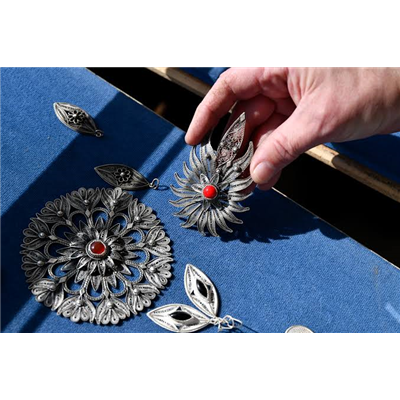 |
From the early Kosovan silver mines which are mentioned in Dante through 20th century politics a silver thread winds through Kosovo’s history. Its most intricate tanglings are in the country’s cultural capital Prizren where a seventh generation of filigree artists use various skills to magic creations which are a fine narrative of Kosovo’s history and traditions. |
|
| Tuesday, 16 March 2027 |
| Joy and Energy in the Unique Music of the Latin American Baroque |
| Graham Griffiths |
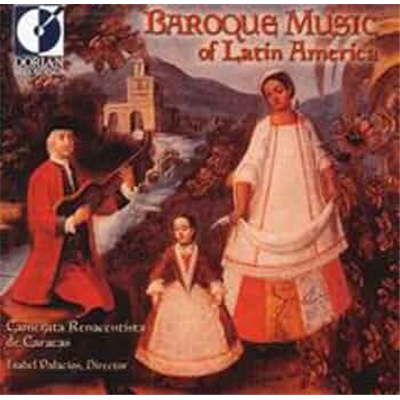 |
This lecture explores the historical research behind the making of 1986 film ‘The Mission’ which so powerfully contrasted the peaceful, Utopian lifestyle of the native Indian villages with the forced eviction of the Jesuit Order from South America in 1767. Drawing upon his own personal experience – conducting concerts in the three most important Chiquitos missions at the invitation of UNESCO – Graham Griffiths reveals that the historical truth is even more remarkable that the film suggests. |
|
| Tuesday, 20 April 2027 |
| A Play Towards: Shakespeare from Page to Stage |
| Nick Hutchison |
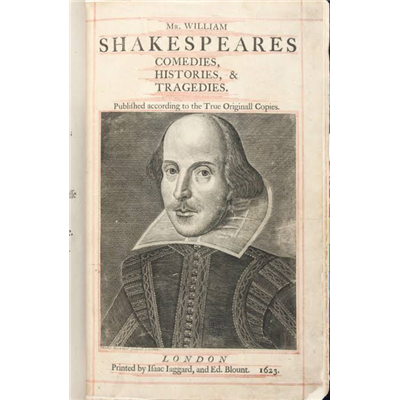 |
A lively and, perhaps, inter-active workshop looking at how Shakespeare’s company produced the plays in the 16th and 17th centuries. This lecture/workshop will change the way you look at Shakespeare for ever. |
|
| Tuesday, 18 May 2027 |
| The Queen Mother at the Castle of May |
| Jeremy Mainwaring-Burton |
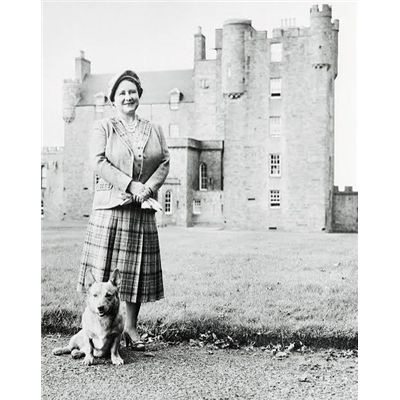 |
The Castle of Mey was the only property the Queen Mother ever owned. This lecture is a fascinating account of what it was like to stay at the Castle of Mey both for the Queen Mother and for invited guests. |
|
| Tuesday, 15 June 2027 |
| George Stubbs (1724-1806) plus the AGM |
| Christopher Garibaldi |
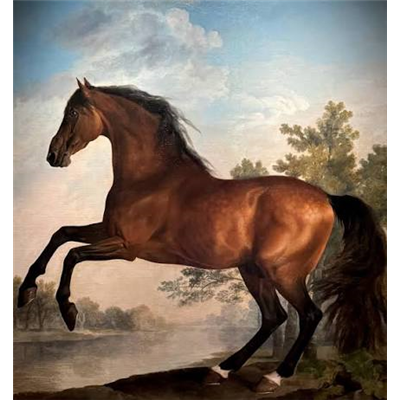 |
This lecture looks at the life and work of this country’s greatest animal painter, putting Stubbs in the context of British sporting artists of the 18th century and focuses on his depiction of equestrian subjects such as the National Gallery’s Whistlejacket, and also looks at the broader themes he addressed. |
|